Compare Top Local Operators
100% Free

Planning a trip to Cape Verde?

Share your travel plans and get free itineraries and quotes from multiple trusted local operators.

Itineraries tailored to your travel plans Compare quotes from multiple local operators Connect directly with trusted local operators
Get Free Quotes

10k+ travelers have submitted inquiries

Cape Verde - Travel Guide

4.3

Must-see attractions, popular activities, and featured local operators

West Africa

Cape Verde, or Cabo Verde, is a stunning archipelago off the northwest coast of Africa, known for its diverse landscapes, vibrant culture, and warm, welcoming locals. Its islands offer a unique blend of experiences, from the sparkling white beaches and azure waters of Sal and Boa Vista, ideal for water sports and relaxation, to the lush mountains of Santo Antão, perfect for hiking and exploring traditional villages. Fogo Island boasts a striking active volcano, providing a thrilling adventure. The capital city, Praia, showcases a rich history and culture with its colonial architecture and lively markets. Cape Verdean culture is a fascinating mix of African, Portuguese, and Brazilian influences, reflected in its music, notably the melancholic morna, and its national dish, cachupa.

Attractions

Language

The official language of Cape Verde is Portuguese, a legacy of its colonial history. However, the language predominantly spoken daily is Cape Verdean Creole, also known as Kabuverdianu, which is a unique blend of Portuguese and West African languages. While Portuguese is used in formal settings such as education, media, and legal matters, Creole is the language of the home and the streets, deeply intertwined with the islands' culture and identity. As for English, it is not widely spoken, but its use is gradually increasing, especially in the tourism sector and among the younger generations.

Best Time to Visit

For beach lovers and sun worshippers, the most ideal time is between November and June, when the weather is warm and dry with temperatures averaging around 25°C. The sea remains warm all year round, perfect for water sports. If you're interested in bird-watching, the best period is September and October. For hiking, particularly in the mountainous islands like Santo Antão and Fogo, it's best to go between October and mid-December, or mid-March to June, when the weather is cooler.

Month
Weather Overview
January
January is one of the coolest months, with temperatures ranging from 18°C to 24°C (64°F to 75°F). Precipitation is minimal, and humidity levels are relatively low, making it a pleasant time to visit.
February
February remains cool with temperatures between 18°C and 24°C (64°F to 75°F). The weather is dry, and humidity levels are low, perfect for outdoor activities.
March
Temperatures in March range from 20°C to 26°C (68°F to 79°F). Rain is still rare, and humidity remains low, offering great conditions for travel.
April
April sees slightly warmer temperatures, ranging from 22°C to 27°C (72°F to 81°F). It remains dry with little rainfall and moderate humidity levels.
May
May temperatures rise to between 23°C and 28°C (73°F to 82°F). The heat begins to increase, but the humidity stays manageable, with very little rainfall.
June
June brings warmer temperatures of around 24°C to 29°C (75°F to 84°F). Rainfall is rare, and humidity levels begin to rise slightly, especially in coastal areas.
July
July is hot, with temperatures ranging from 25°C to 30°C (77°F to 86°F). This is the beginning of the dry season, with little rain and moderate humidity levels.
August
In August, temperatures stay between 25°C and 30°C (77°F to 86°F). Rainfall remains low, and humidity is moderate, though it can feel warm, especially on the islands.
September
September is one of the hottest months, with temperatures between 26°C and 31°C (79°F to 88°F). It is still mostly dry, but humidity is higher, especially on the islands closer to the equator.
October
October sees a slight decrease in temperature, ranging from 25°C to 30°C (77°F to 86°F). The humidity remains high, and there's a small chance of rain.
November
November's temperatures range from 23°C to 28°C (73°F to 82°F). It remains mostly dry, with low humidity and pleasant weather conditions for travel.
December
December is cooler, with temperatures ranging from 20°C to 26°C (68°F to 79°F). Precipitation is rare, and humidity levels remain low, making it a great month to visit.

Festivals

Month:2
Festival:Carnival

Cape Verde's Carnival, celebrated mainly on the island of São Vicente, is one of the most vibrant and lively festivals in the country. Taking place in February or March, just before Lent, the festival is marked by colorful parades, lively music, elaborate costumes, and traditional dance. Visitors can enjoy street performances, samba-inspired rhythms, and a festive atmosphere, offering a glimpse into Cape Verde's rich cultural diversity.
Month:7
Festival:Dia da Liberdade

Celebrated on July 5th, Freedom Day marks Cape Verde's independence from Portugal in 1975. The day is marked by national pride, with parades, speeches, and cultural performances in the capital city, Praia, and other areas. Visitors can experience Cape Verde's patriotism and unity through ceremonial events, traditional music, and public celebrations.

Month:6
Festival:Festa de São João

St. John's Festival, held on June 24th, is a significant religious and cultural celebration in Cape Verde, particularly on the island of São João. The festival honors St. John the Baptist with bonfires, traditional music, and dancing. It's a time for families to gather, and visitors can experience the warmth of local community celebrations and traditional folk dances.

Month:8
Festival:Festa de Nossa Senhora da Luz

Celebrated on the island of São Nicolau, this festival honors Our Lady of Light and is a blend of religious rituals and traditional Cape Verdean culture. Taking place on August 15th, the festival includes processions, dances, and music performances. It's a great opportunity to witness Cape Verde's strong Catholic traditions while enjoying the vibrant local culture.

Month:6
Festival:Tabanka Festival

Celebrated on the island of Santiago, the Tabanka Festival is a unique cultural celebration that traces the history of Cape Verdean independence and the island's African heritage. It features traditional music, dance, and costumes, with a focus on preserving African rituals and customs. Visitors can enjoy colorful parades, drum music, and performances that represent Cape Verde's Afro-Creole identity.

Month:9
Festival:Festa de Nossa Senhora da Piedade

This religious festival takes place in September and honors Our Lady of Piety, the patron saint of the island of São Filipe, Fogo. The celebration includes processions, traditional music, and dances. Travelers can experience the blend of faith and local culture, particularly the joyous dances and music performances unique to the island.

Cuisine

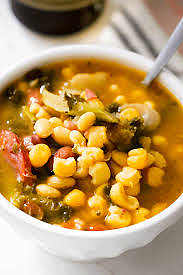
Cachupa

Cachupa

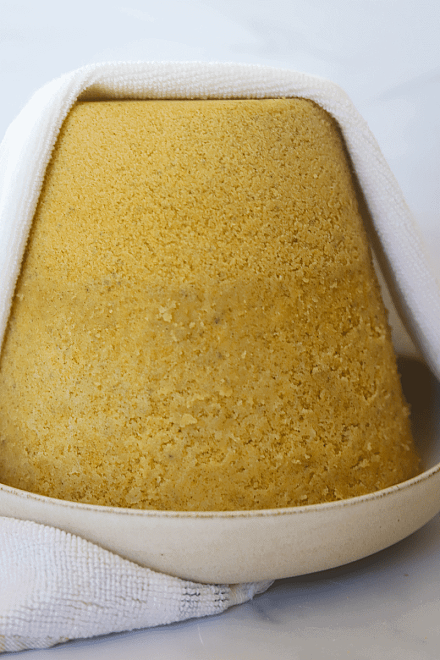
Cachupa is Cape Verde's national dish, a hearty stew made with a base of hominy corn, beans, vegetables, and a variety of meats, such as pork, sausage, or fish. It's typically slow-cooked, allowing the flavors to meld together, and is often served with rice or fried plantains.

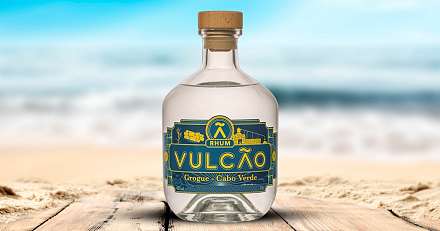
Grogue

Grogue

Grogue is a traditional Cape Verdean spirit made from distilled sugarcane juice. It's similar to rum and is the island's national drink. Often homemade, it can be served neat or used as a base for cocktails.

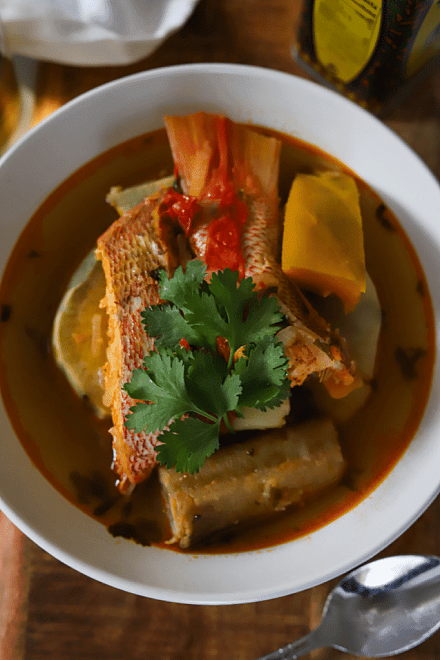
Sopa de Peixe

Sopa de Peixe

Sopa de Peixe is a flavorful fish soup made with fresh local fish, vegetables, and spices like garlic, onions, tomatoes, and cilantro. The dish is simmered until tender and is usually served with rice or a slice of cornbread.

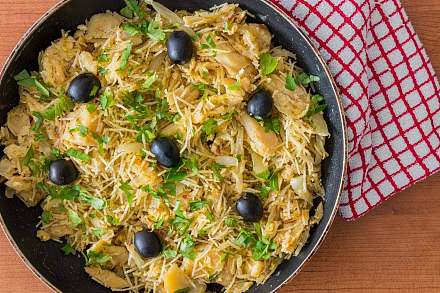
Bacalhau à Brás

Bacalhau à Brás

Bacalhau à Brás is a Portuguese-inspired dish featuring salted codfish (bacalhau) cooked with finely shredded potatoes, onions, garlic, eggs, and parsley. This comforting dish is commonly served as a main course and showcases Cape Verde's Portuguese culinary heritage.

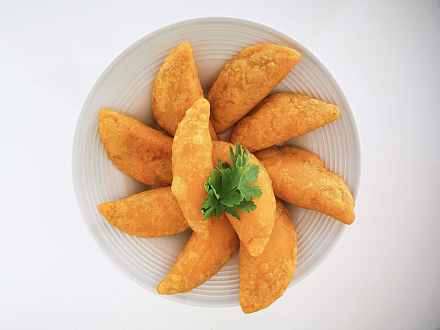
Pastéis de Milho

Pastéis de Milho

Pastéis de Milho are deep-fried pastries made from cornmeal, often filled with a mixture of tuna or other seafood. The crunchy exterior and savory filling make it a popular snack or appetizer in Cape Verde.

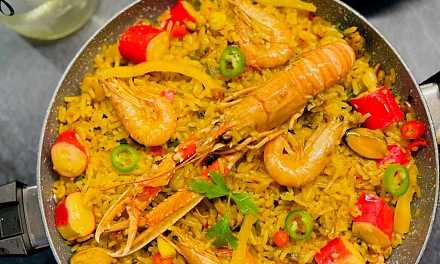
Arroz de Marisco

Arroz de Marisco

Arroz de Marisco is a Cape Verdean version of seafood rice, typically made with a variety of fresh local seafood such as shrimp, squid, and fish. It's cooked with rice, tomatoes, garlic, and spices, making it a fragrant and hearty dish.

Cuscús

Cuscús

Cuscús, also known as couscous, is a staple in Cape Verde. It's typically steamed and served with a variety of vegetables and meats, often in a rich tomato-based sauce. This dish reflects the country's African roots and is commonly eaten as a side dish or main meal.

Tortas de Maçã

Tortas de Maçã

Tortas de Maçã are sweet apple cakes made from a mixture of flour, sugar, eggs, and apples, often flavored with cinnamon or vanilla. These cakes are popular as a dessert or snack, offering a comforting, slightly fruity flavor.

Pão com Chouriço

Pão com Chouriço

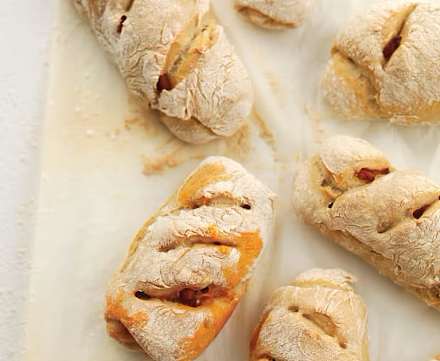
Pão com Chouriço is a traditional Cape Verdean bread, often baked with slices of spicy sausage (chouriço) inside. It's commonly served as a hearty breakfast or snack, pairing well with coffee or Grogue.

Fogo Coffee

Fogo Coffee

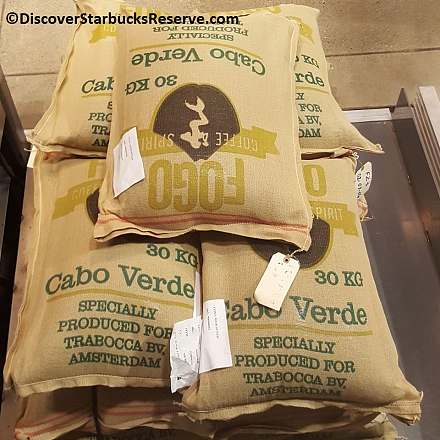
Fogo Coffee is made from beans grown on the island of Fogo, known for its volcanic soil. This rich and flavorful coffee is enjoyed throughout Cape Verde, often served black or with milk, and is a beloved part of the daily routine.

Packing

When packing for a trip to Cape Verde, consider the climate, activities you plan to do, and local customs. Lightweight, breathable clothing is recommended due to the warm, tropical climate. Be sure to pack swimwear for beach activities and sturdy shoes for hiking or exploring. A hat, sunglasses, and sunscreen are essential to protect against the strong sun. While Cape Verde is relatively casual, it's a good idea to pack a smart-casual outfit for dining in upscale restaurants. Also, consider packing a lightweight jacket or sweater for cooler evenings. Don't forget essential items like travel documents, medications, and any necessary electrical adapters.

Currency

The official currency of Cape Verde is the Cape Verdean Escudo (CVE), with denominations in both coins and notes. Coins come in denominations of 1, 5, 10, 20, 50, 100, and 200 escudos, while banknotes come in 200, 500, 1000, 2000, and 5000 escudos. ATMs are widely available in larger towns and tourist areas where you can withdraw cash in CVE. However, it's important to note that the escudo is a closed currency, meaning it can only be obtained and exchanged within Cape Verde. Credit cards are accepted in many hotels, restaurants, and larger shops, especially in tourist areas, but it's always wise to carry some cash for smaller purchases or in places where cards may not be accepted.

Transport

The main international airports are Amilcar Cabral International Airport on Sal Island and Nelson Mandela International Airport on Santiago Island, which offer good connections to Europe, Africa, and the Americas. For in-country travel, there are regular domestic flights between islands, along with ferry services for a more leisurely pace. Taxis and minibuses, known as "Aluguers", are common in towns and cities, providing a convenient way to get around. Car hire is also available, though do note that while roads are generally in good condition, some in more remote areas can be challenging. When using public transport, be aware that services may run on a relaxed schedule.

Emergency

Public displays of anger are generally frowned upon, as Cape Verdeans value harmony and good manners. It's also considered impolite to take photos of locals without their permission, especially in more remote areas. When it comes to clothing, dressing modestly is generally appreciated, particularly outside of beach areas. In case of emergencies, the national emergency number for Cape Verde is 132 for police, 130 for fire, and 131 for medical services.

Power Sockets

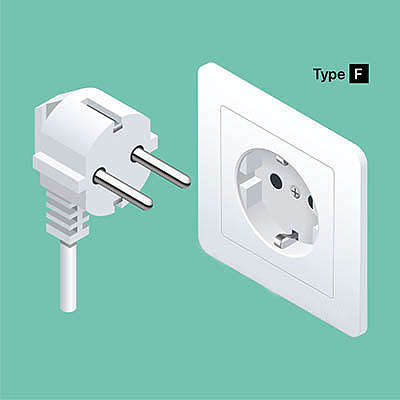
The standard voltage in Cape Verde is 220 volts, and the frequency is 50 Hz. The power sockets used are of type C and F. Type C is the plug which has two round pins and Type F is the plug which has two round pins with two earth clips on the side.

Socket sample 1Socket sample 2

Tours

View all tours

No featured routes yet

Route recommendations for this destination are coming soon.

Tour operators

View all operators